



Cases
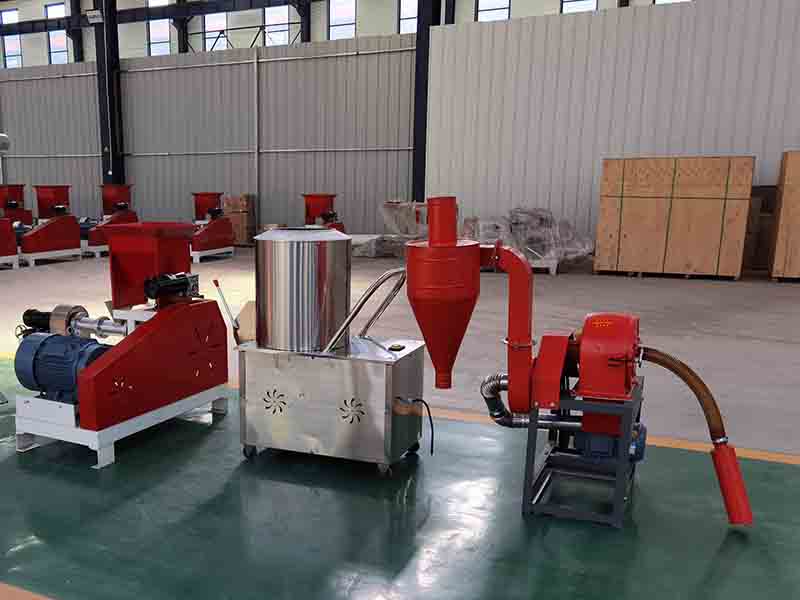
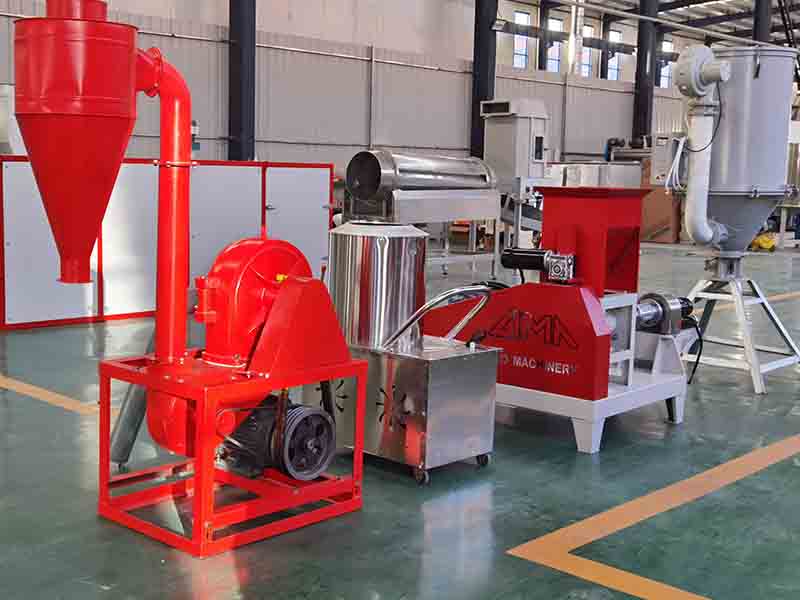
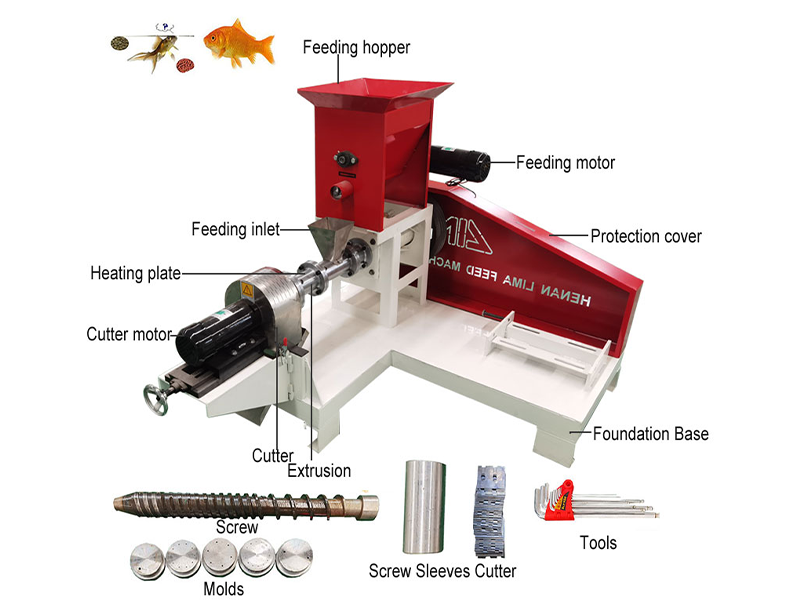
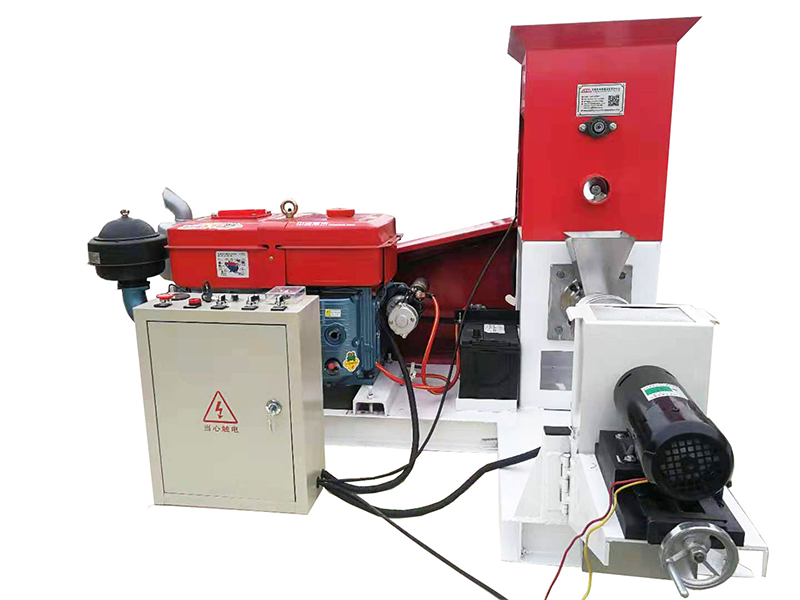
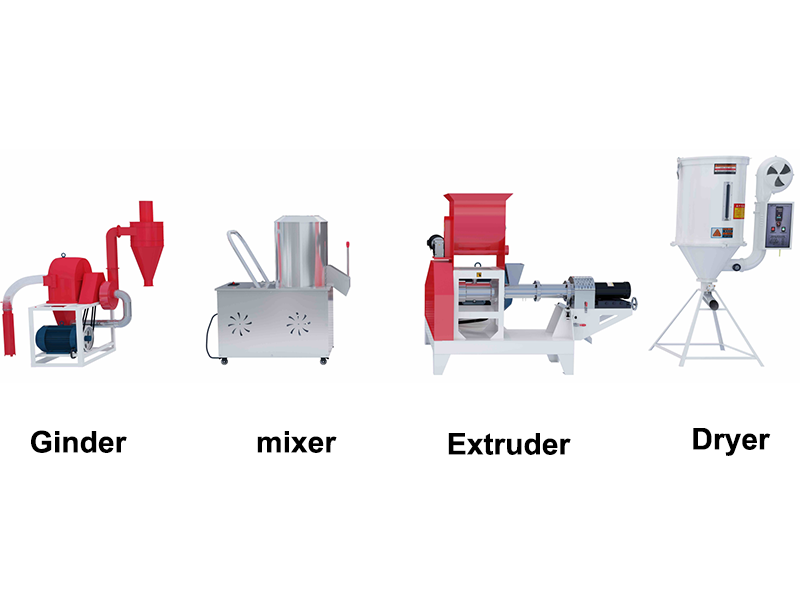
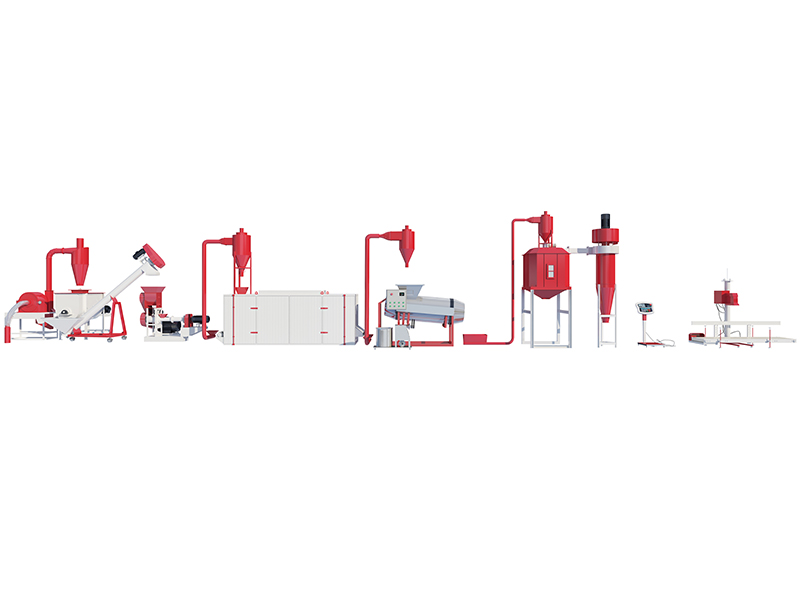
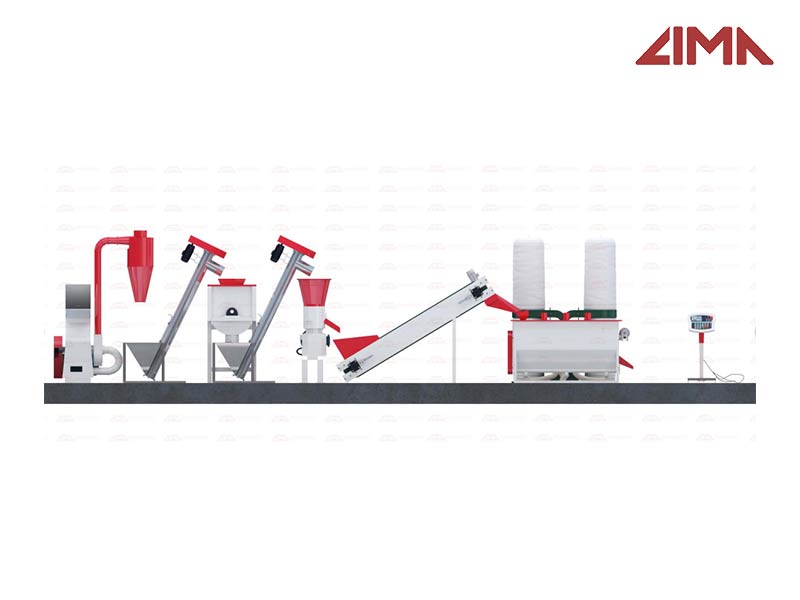
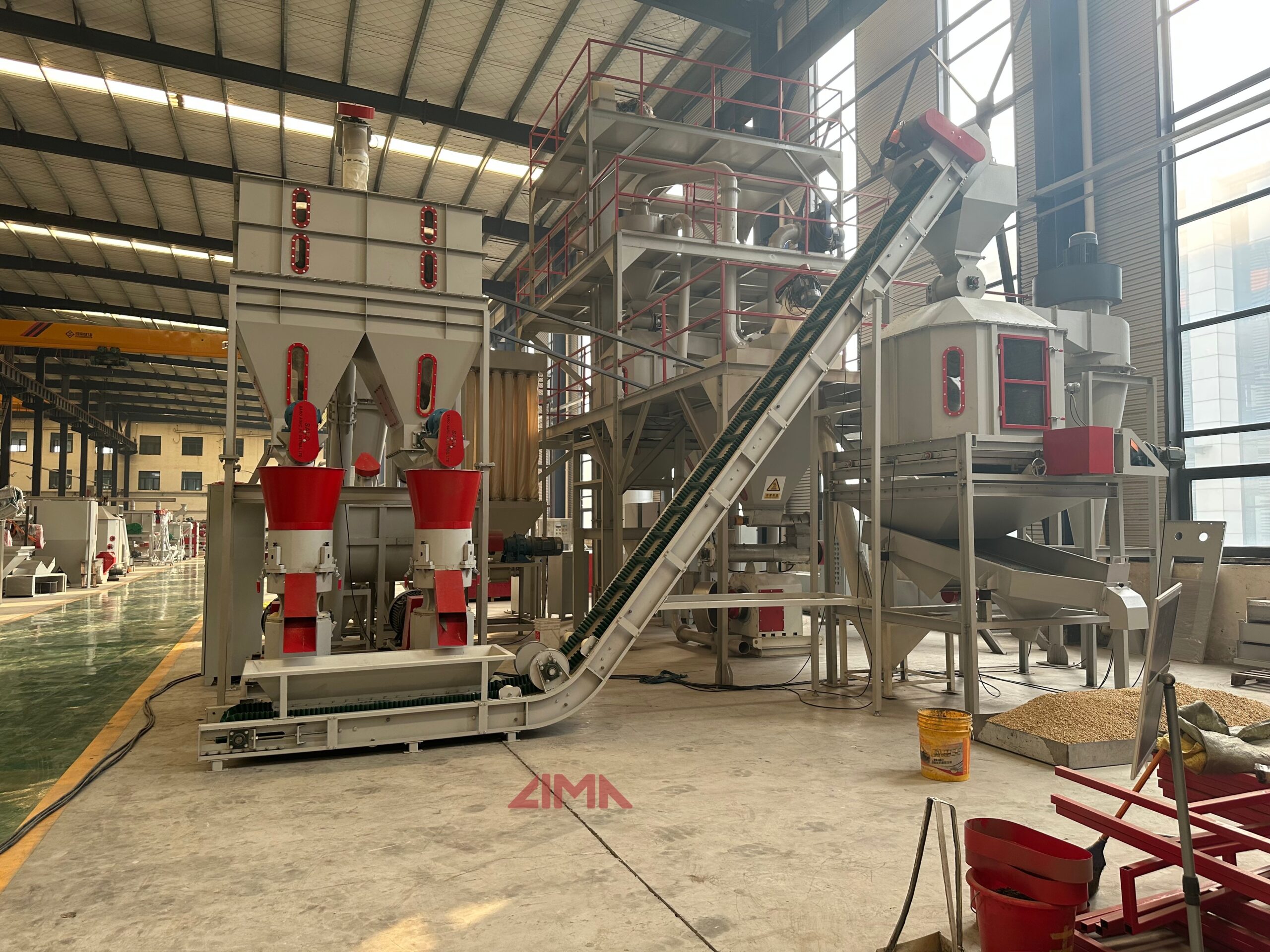
Adequate fish feed machines inventory ensures that all fish feed pellet making machines are in stock, helping customers solve keeping fish problems anytime, anywhere.
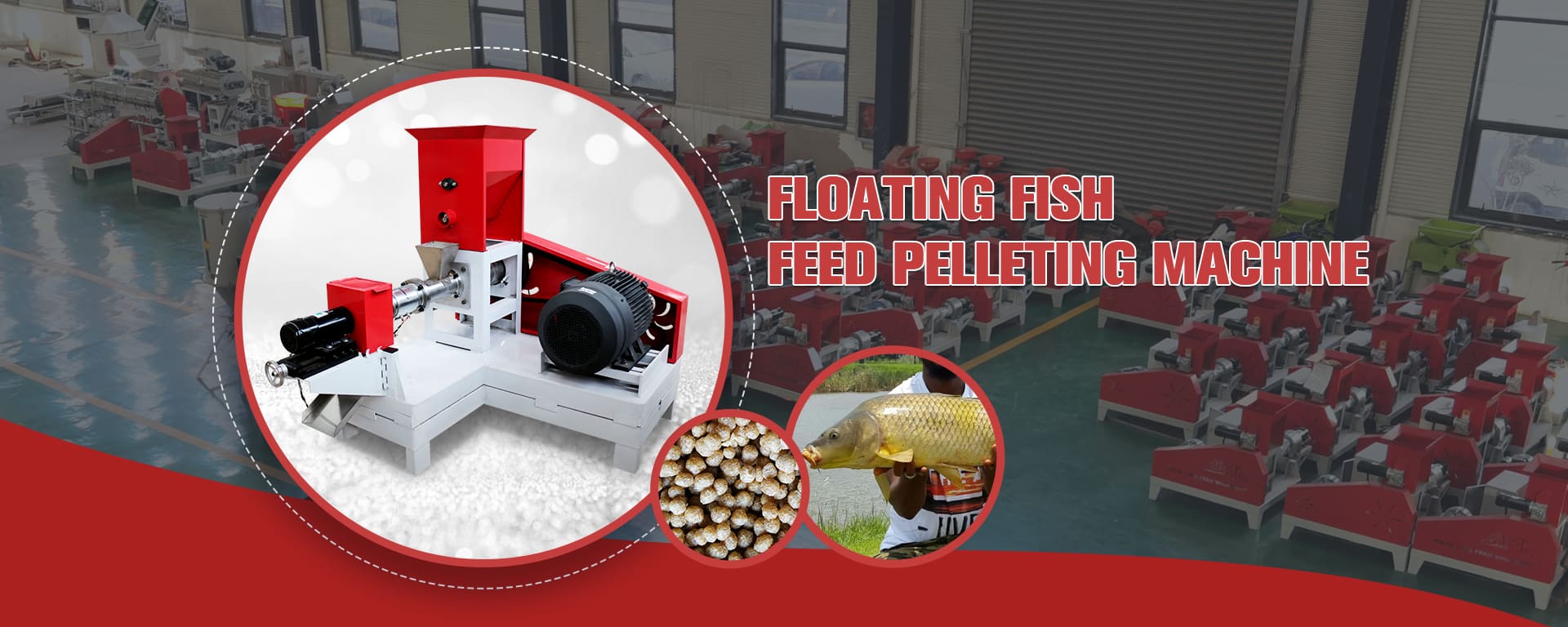
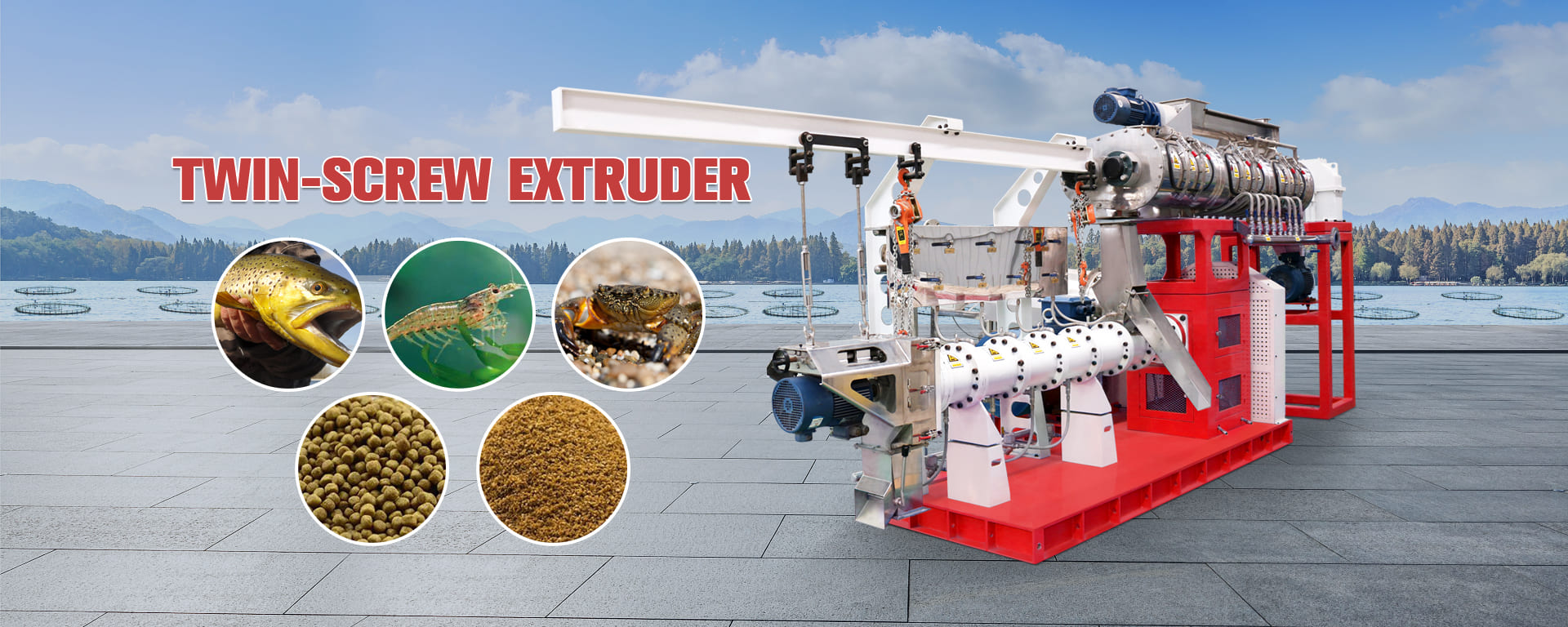
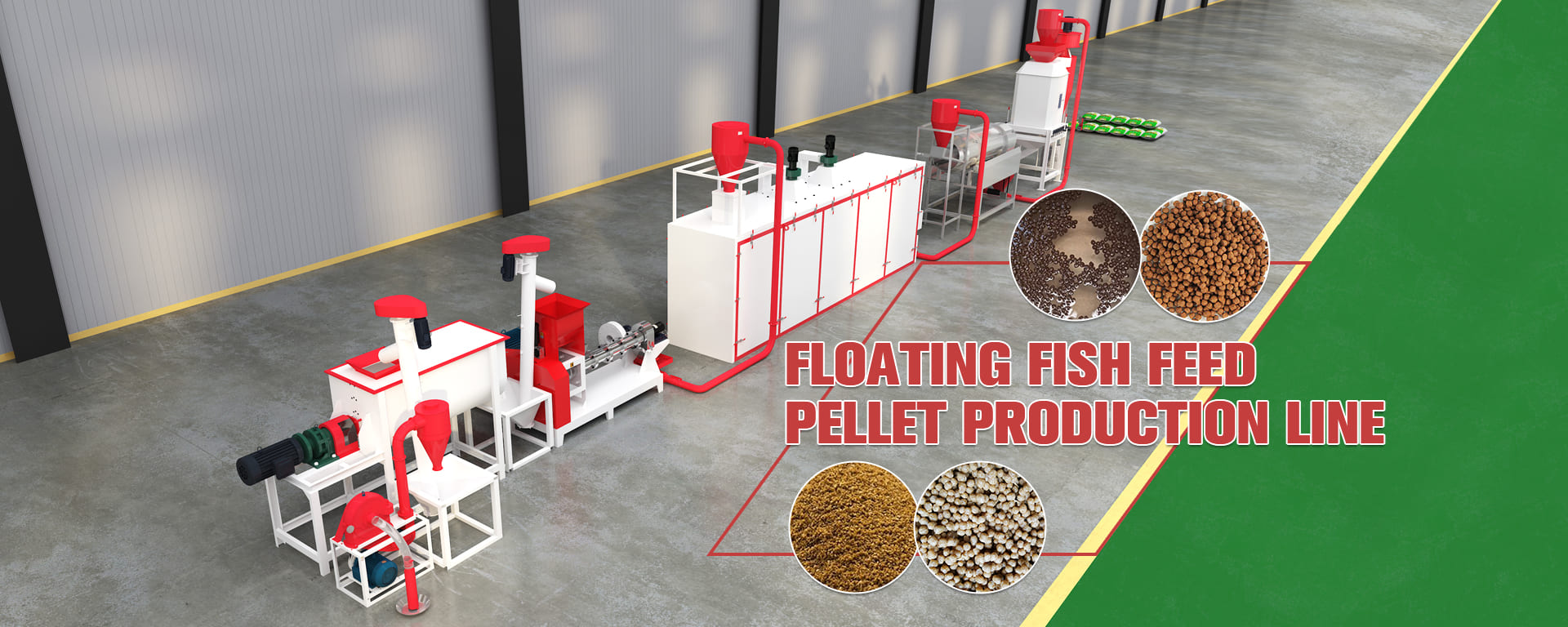
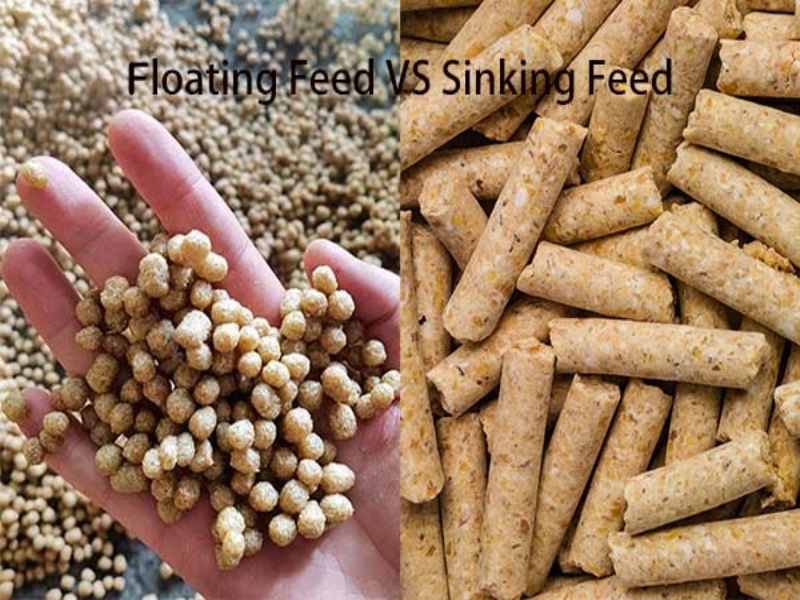
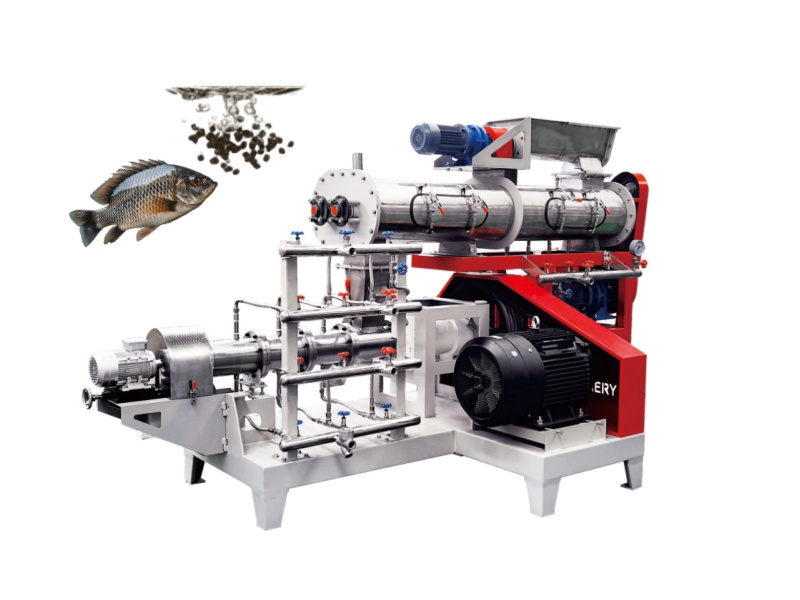
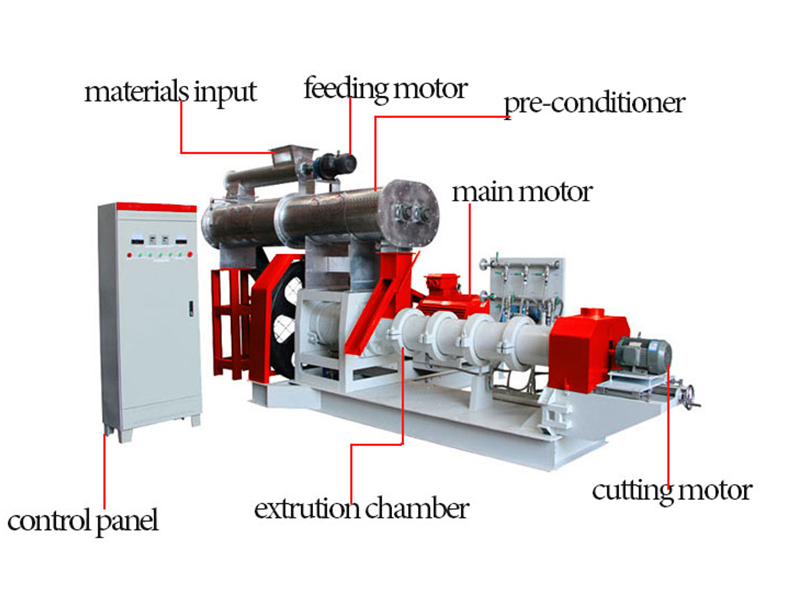
Selecting the right floating fish feed machine is critical for feed quality, aquaculture efficiency, and long-term cost control. This guide covers machine types (single-screw vs twin-screw), capacity matching, raw material adaptability, energy consumption, and key selection factors. Whether you run a small farm or large feed mill, learn how to choose a durable, cost-effective extruder that improves feed floating rate, water stability, and overall production performance.
Nigeria has one of the fastest-growing aquaculture industries in Africa, and fish feed production plays a central role in supporting the expansion of this industry. As the demand for affordable animal protein continues to rise among Nigeria’s large and growing population, aquaculture – particularly catfish and tilapia farming – has emerged as an important area of agricultural investment. As a result, the fish feed industry is becoming an important part of the aquaculture value chain in Nigeria.